

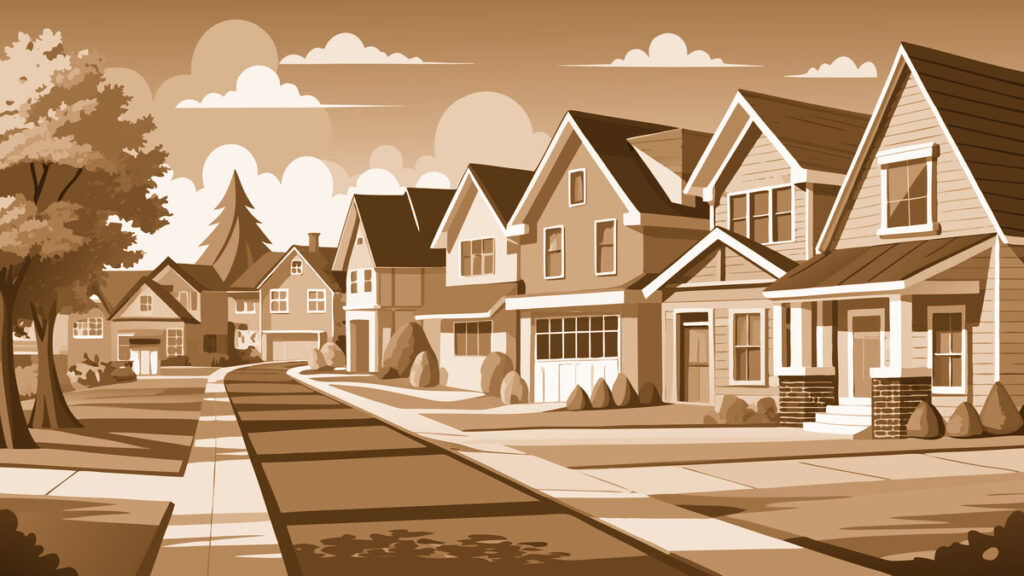
Nestled within the picturesque foothills of the Blue Ridge Mountains, Georgetown Village stands as one of Lenoir, North Carolina’s most cherished neighborhoods. While Lenoir is known for its rich furniture-making legacy and scenic beauty, Georgetown Village holds its own unique story—one written by generations of families, neighbors, and local landmarks that have shaped its inviting character.
The Origins of Georgetown Village
The roots of Georgetown Village stretch back to the mid-20th century, when Lenoir was in the midst of a post-war boom. As the local furniture industry prospered, more families were drawn to settle in Caldwell County, seeking steady work and a quieter lifestyle outside bustling urban centers. Georgetown Village emerged during this time as a planned residential area, designed to cater to the growing population’s needs for modern homes, good schools, and community amenities.
The story behind the neighborhood’s name is a charming one. In the 1950s, George Robbins—a local builder and civic leader—inspired many with his vision for community-centered developments. The neighborhood was named “Georgetown” in his honor, serving as a lasting tribute to George’s tireless work to promote responsible growth in Lenoir. The “Village” moniker was added to emphasize the sense of belonging and togetherness that would soon define the area.
Key Historical Milestones
- 1957: Foundation Laid
The first homes were constructed along Georgetown Road and Roosevelt Street, establishing the backbone of the neighborhood. These initial houses, with their broad porches and sturdy brickwork, still stand today, echoing the post-war optimism of their time.
- 1963: Community Growth
As demand for housing increased, the subdivision expanded westward toward Orchard Drive and Woodside Place. This decade also saw the creation of wider sidewalks and the planting of native dogwoods, which have become a signature feature every spring.
- 1972: Parks and Recreation
Community leaders advocated for accessible green spaces, leading to the development of Georgetown Village Park on Windsor Street. The park, with its open fields and shaded picnic spots, remains a gathering place for ball games, barbecues, and holiday festivities.
- 1980s: Legacy Institutions
The neighborhood welcomed the establishment of Georgetown Baptist Church, which quickly became a spiritual and social anchor for local families. Its food drives and seasonal events illustrate the giving spirit deeply rooted in Georgetown Village.
Notable Landmarks and Buildings
While Georgetown Village is primarily residential, several landmarks lend a unique character to its leafy streets:
- Georgetown Village Park (Windsor Street): A central green space beloved by families, offering everything from children’s play equipment to pleasant walking paths under mature maples and oaks.
- Georgetown Baptist Church (Georgetown Road): More than just a house of worship, it functions as a hub for community outreach and fellowship, often hosting annual fairs and charity suppers.
- The Robbins House (corner of Roosevelt Street and Moore Drive): One of the earliest homes built, this lovingly maintained brick residence once belonged to George Robbins himself and serves as a symbol of the neighborhood’s foundational values.
The Charm of Georgetown Village Streets
A stroll through Georgetown Village is a walk through Lenoir’s cozy, neighborly history. Tree-lined Georgetown Road gently slopes past landscaped lawns and classic mid-century homes. The nearby intersection of Roosevelt Street and Orchard Drive embodies the neighborhood’s friendly spirit, with block parties a summer staple and porch lights glowing in a welcome on almost every house.
Streets like Windsor Street and Parkside Lane snake toward the park, often alive with the sounds of kids playing and neighbors chatting over backyard fences. Even as new families and faces integrate into the mix, longtime residents greet them with warmth, ensuring the tradition of fellowship carries on.
How Georgetown Village Has Evolved
Like many American neighborhoods, Georgetown Village has seen cycles of change and renewal. In the 1990s, a new generation of families arrived, drawn by the quality of life that comes from close-knit streets and access to highly-rated public schools such as Davenport Elementary, just a short drive away.
Recent years have ushered in further improvements, from updated playground facilities at Georgetown Village Park to community-led beautification projects like the annual spring planting day. Many older homes have been lovingly restored, blending original architectural details with modern comforts—testament to the pride residents take in both their heritage and their homes’ future.
Despite these updates, the core values that shaped Georgetown Village remain untouched. Whether you’re attending a potluck at Georgetown Baptist Church, waving hello during a morning walk along Orchard Drive, or simply enjoying the pink blossoms each April, you’re participating in a timeless tradition: neighborly kindness.
Why Georgetown Village is Special
Ask anyone who lives in Georgetown Village, and they’ll tell you that what makes the neighborhood extraordinary isn’t just its history or leafy streets—it’s the people. Generations of families have watched their children grow up here, creating a sense of belonging that’s hard to match. Residents support each other through life’s ups and downs, celebrating milestones and lending a hand when times are tough.
- Annual Gatherings: From summertime barbecues at the park to festive light displays that draw visitors from across Lenoir, community spirit is the heartbeat of Georgetown Village.
- Everyday Connections: Neighbors still wave, host each other for coffee, and check in on one another—traditions that have carried forward since the founding days.
- Deep Roots: Many who leave eventually find their way back, a testament to the lasting sense of home found here.
Looking Toward the Future
Georgetown Village continues to thrive, balancing the charm of yesteryear with a welcoming outlook for newcomers. Its story, intertwined with that of Lenoir, serves as a reminder of what’s possible when people come together to nurture both land and legacy. For visitors and residents alike, Georgetown Village offers not just a glimpse into local history, but an invitation to become part of it.